
 中文 (中国)
- Study the feasibility of investing in and building transportation infrastructure
- In accordance with government policies and short- and long-term strategic plans
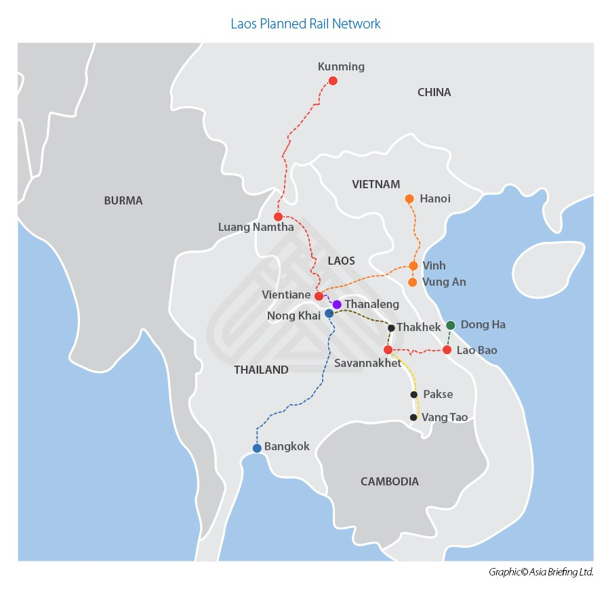
- Build from Vientiane Capital to the south of the Lao PDR
- The total railway construction target is approximately: 900–1,000 km, passing through the following provinces:
- 1.Vientiane Capital (Start)
- 2.Bolikhamxay Province
- 3.Khammouane Province
- 4.Savannakhet Province
- 5.Champasak Province (Vang Tao)
- 6.Saravan Province
- 7.Sekong Province
- 8.Attapeu Province (The End)
The company responsible for building the railway line
- Investor: SEA OSA Investment Holding Co., Ltd
- Surveyor, designer and builder: SEA OSA Investment Holding Co., Ltd cooperates with China Railway Engineering Corporation (CREC) in the implementation of the project
- Technology: Used by China Railway Engineering Corporation (CREC) and Group company network
- Investment model : Build – Operate – Transfer: BOT.
Purpose and reasons for building the Railway
Purpose
- Connect transportation and logistics networks
- Promote trade and investment
- Reduce transportation costs and travel time
- Develop the economy and local communities
Reasons
- According to the national development plan, transform from a land-locked to a land-linked country
- Become a modern transportation infrastructure hub
- Reduce transportation costs
- Mitigate environmental impacts
- Promote sustainable development
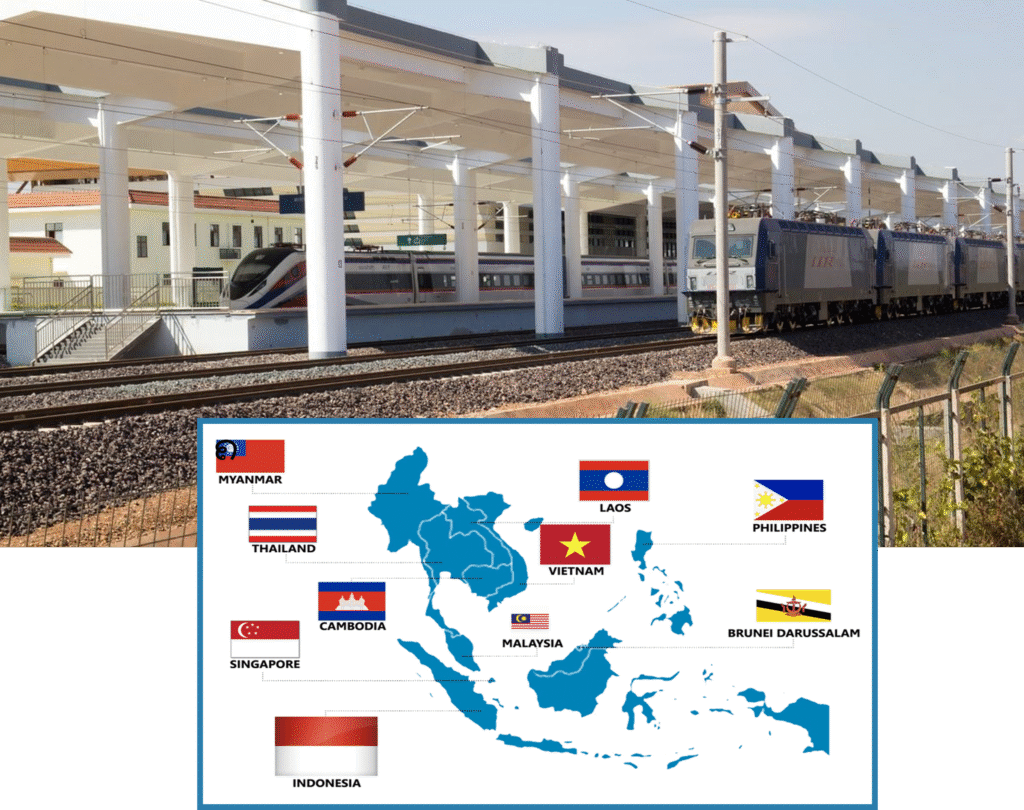
The importance of the railway project
Positive Points
- Connection of the Northern and Southern Railway Lines to Be Newly Constructed
- The economy: Improving the country’s development and prosperity
- Regional connectivity: Enables faster and more convenient travel between cities, provinces, and countries
- Stimulating development: Creates job and investment opportunities
- Improving quality of life: Increases safe and time-saving travel options
- Reducing environmental impacts: Less carbon than cars and other transport modes